Vietnam’s New EPR Decree: What Packaging Producers Need to Know Before Reporting Begins

Vietnam has consolidated its Extended Producer Responsibility framework under Decree No. 110/2026/ND-CP, setting mandatory recycling targets for packaging across nine product categories and a centralized digital reporting system. Producers and importers must now confirm which compliance pathway applies to them and whether exemptions are available.
Explore SML’s EcoInspire™ Sustainable Packaging Solutions to align your packaging strategy with expanding EPR requirements.
KEY INSIGHT
Vietnam has consolidated its Extended Producer Responsibility framework under Decree No. 110/2026/ND-CP, establishing mandatory recycling targets for packaging across nine product categories and a centralized digital reporting system. Producers and importers placing covered packaging on the Vietnamese market must now determine which compliance pathway applies to their operations (direct recycling, authorized recyclers, PROs, or financial contribution) and confirm whether any exemptions apply.
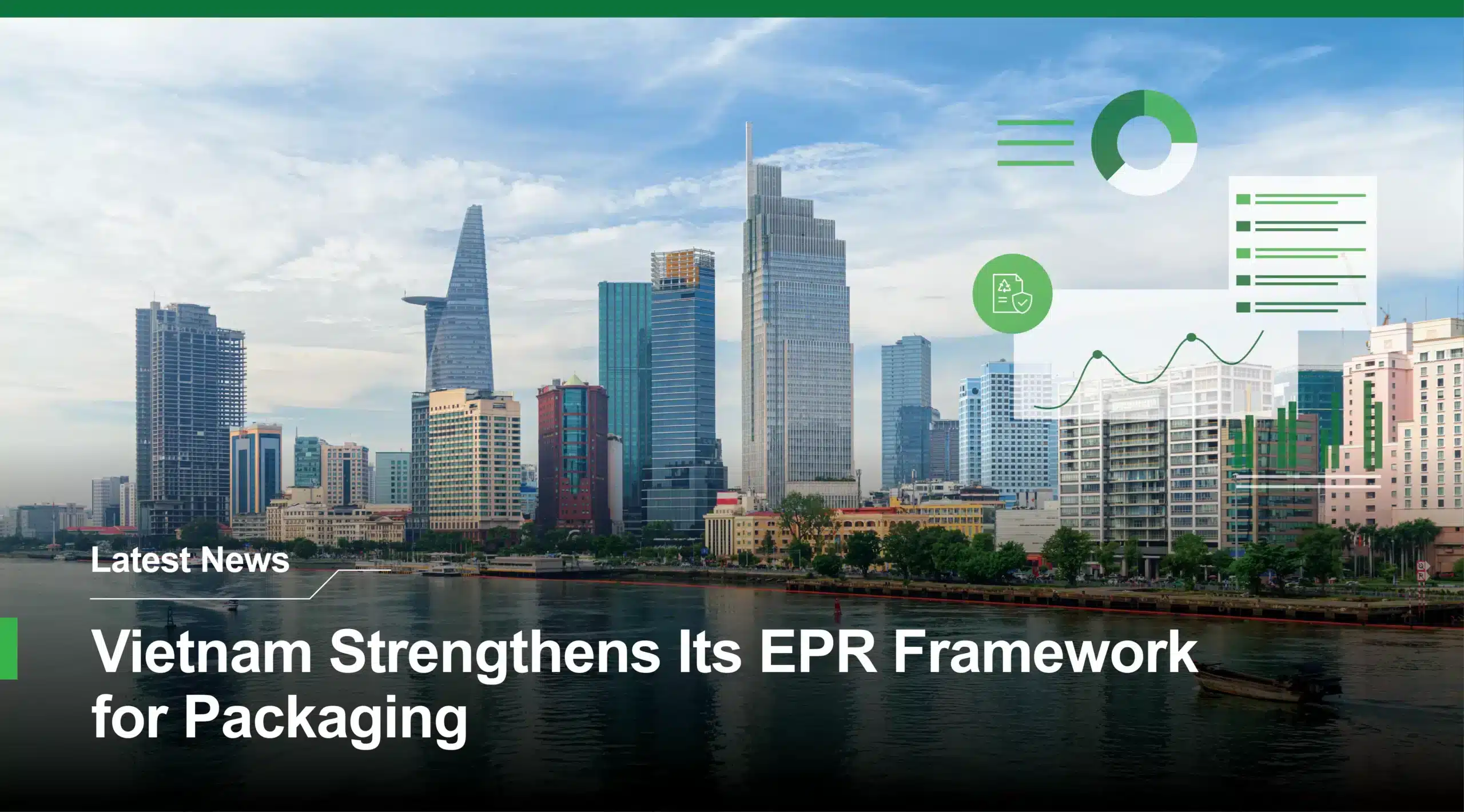
Vietnam continues to advance its circular economy ambitions through the implementation of Decree No. 110/2026/ND-CP, a dedicated EPR regulation governing product and packaging recycling responsibilities and certain waste treatment obligations of producers and importers. This is not a new policy direction. It is a consolidation. Building on Articles 54 and 55 of the Law on Environmental Protection 2020, which first introduced producer responsibility for recycling and waste management, the framework has been progressively refined through supporting regulations and now sits under a single primary instrument.
The framework covers specified packaging placed on the Vietnamese market, including primary and secondary packaging used for food, cosmetics, pharmaceuticals, fertilizers, animal feed, veterinary medicines, cleaning products, sanitary products, and cement. Covered packaging materials include paper, plastic, metal, and glass, with mandatory recycling rates established for different packaging types.
Compliance is not one size fits all. Producers and importers may fulfil their obligations through direct recycling activities, authorized recyclers or producer responsibility organizations (PROs), or by making financial contributions to support national recycling efforts.
Compliance Pathways and Exemptions:
| Category | Detail |
|---|---|
| Direct recycling | Producers/importers manage recycling activities themselves |
| Third party recycling | Fulfilment through authorized recyclers or PROs |
| Financial contribution | Payment to support national recycling efforts in lieu of direct action |
| Export only exemption | Products and packaging intended for export or temporary import for re-export are excluded |
| Small producer exemption | Producers/importers with annual revenue from EPR-covered products and packaging below VND 30 billion are exempt |
| Reuse exemption | Packaging collected and repackaged for continued use at a rate equal to or above the applicable mandatory recycling rate may qualify for exemption |
A notable feature of Vietnam’s approach is its centralized digital reporting system, where annual declarations, recycling plans, and supporting evidence are submitted through the National EPR Information System, reflecting a growing trend toward data driven environmental stewardship.
Key takeaway:
Businesses placing packaging on the Vietnamese market must determine which of the four compliance pathways applies to their operations and confirm exemption eligibility now, ahead of annual declaration cycles managed through the National EPR Information System.
Sources: Decree No. 110/2026/ND-CP of the Government; EPR Vietnam – Grac; VnEconomy
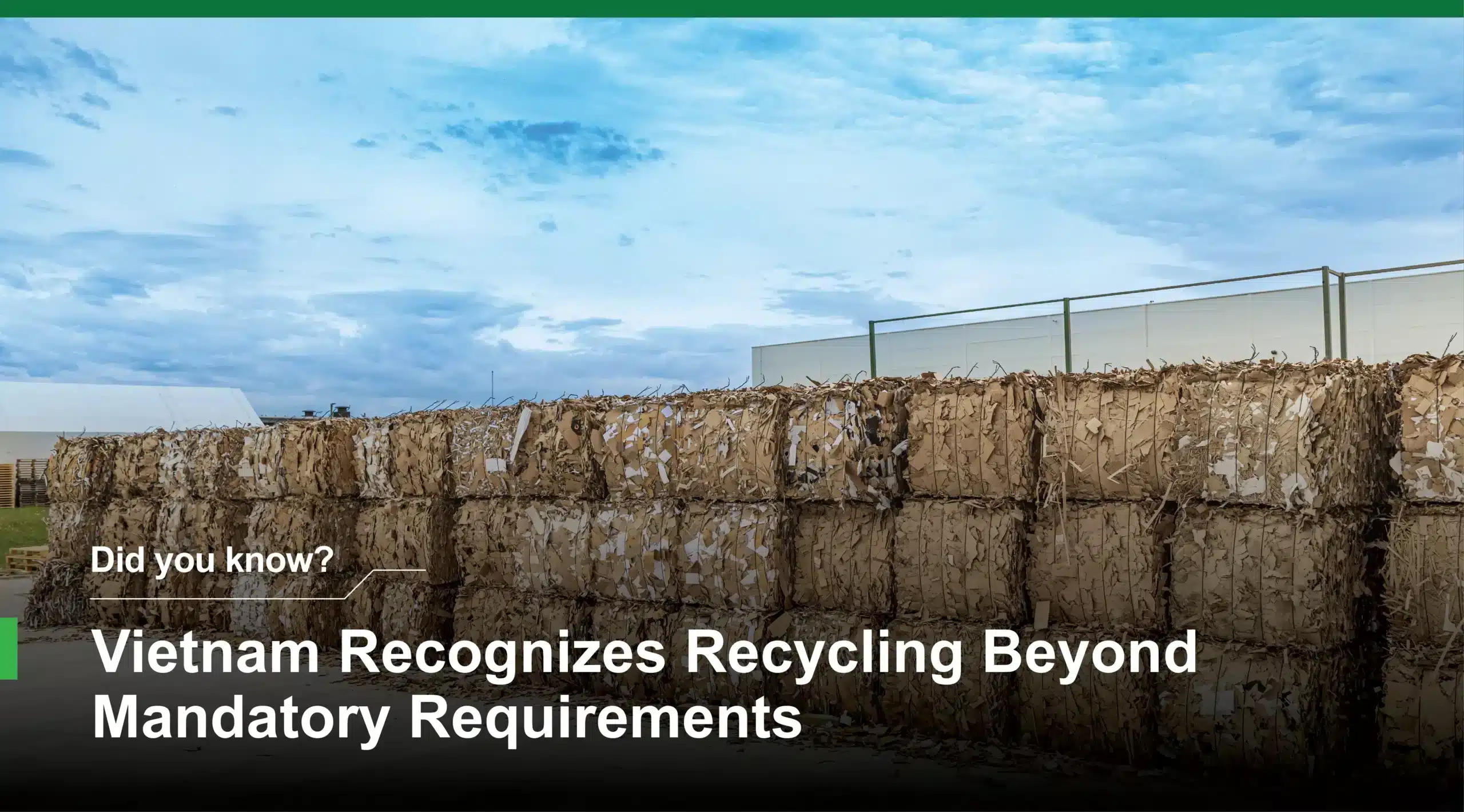
Vietnam’s EPR framework allows producers and importers that exceed their mandatory recycling targets to carry forward surplus recycling volumes and include them in subsequent year’s recycling results. Under Decree 110/2026/ND CP, excess recycled volumes may be carried forward and counted toward subsequent years, providing greater flexibility in meeting future recycling obligations.
This mechanism rewards recycling efforts beyond the minimum requirement and encourages companies to invest in long term recycling and resource recovery initiatives.
Source: Vietnam Decree 110/2026/ND-CP – What Is EPR?
As Vietnam and other markets formalize recycling targets and reporting obligations, the packaging materials brands select become directly relevant to how easily those obligations are met. SML’s EcoInspire™ Sustainable Packaging Solutions incorporate a range of alternative materials and design approaches, including recycled content and lower impact material options, that help brands make more informed packaging choices as Vietnam’s EPR framework introduces recycling obligations and related reporting requirements for regulated packaging.
By supporting material innovation and responsible resource use, EcoInspire™ enables brands to align packaging strategies with their sustainability ambitions and circular economy goals, offering a practical starting point as producer responsibility requirements continue to broaden across the markets SML’s customers operate in.
As EPR programs continue to expand worldwide, businesses may need to navigate a growing range of producer responsibility requirements — including frameworks such as Germany’s implementation of the EU PPWR and EU PPWR compliance guidance — while integrating circularity considerations into packaging strategies.
This article provides a general overview and reflects our understanding at the time of publication. For specific legal, regulatory, or compliance decisions, please refer to the relevant official sources.
Frequently Asked Questions
What is Vietnam’s Decree No. 110/2026/ND-CP?
Decree No. 110/2026/ND-CP is Vietnam’s dedicated Extended Producer Responsibility regulation governing packaging recycling and waste treatment obligations for producers and importers, building on Articles 54 and 55 of the Law on Environmental Protection 2020.
Who is exempt from Vietnam’s EPR decree?
Exemptions apply to products and packaging intended for export, producers and importers with annual revenue from EPR-covered products and packaging below VND 30 billion, and packaging that is collected and repackaged for continued use at or above the applicable mandatory recycling rate.
What packaging materials are covered under Decree No. 110/2026/ND-CP?
Covered materials include paper and paperboard, plastics (including rigid and flexible plastic packaging), metals, and glass used in primary and secondary packaging for products such as food, cosmetics, pharmaceuticals, fertilizers, animal feed, veterinary medicines, cleaning and sanitary products, and cement. Different packaging categories are subject to different mandatory recycling rate.
How do producers report compliance under the decree?
Producers and importers submit annual declarations, recycling plans, and supporting evidence through Vietnam’s National EPR Information System.
Can surplus recycling volumes be carried forward?
Yes. Producers and importers that exceed mandatory recycling rates may carry forward surplus volumes and count them toward subsequent years’ recycling results.