
Transparent Cellulose Bag
Plastic-like visibility. Cellulose-based material story.
A cellulose-based clear packaging option for selected dry or lightweight applications where brands want to reduce reliance on conventional plastic while keeping visibility and practical presentation.
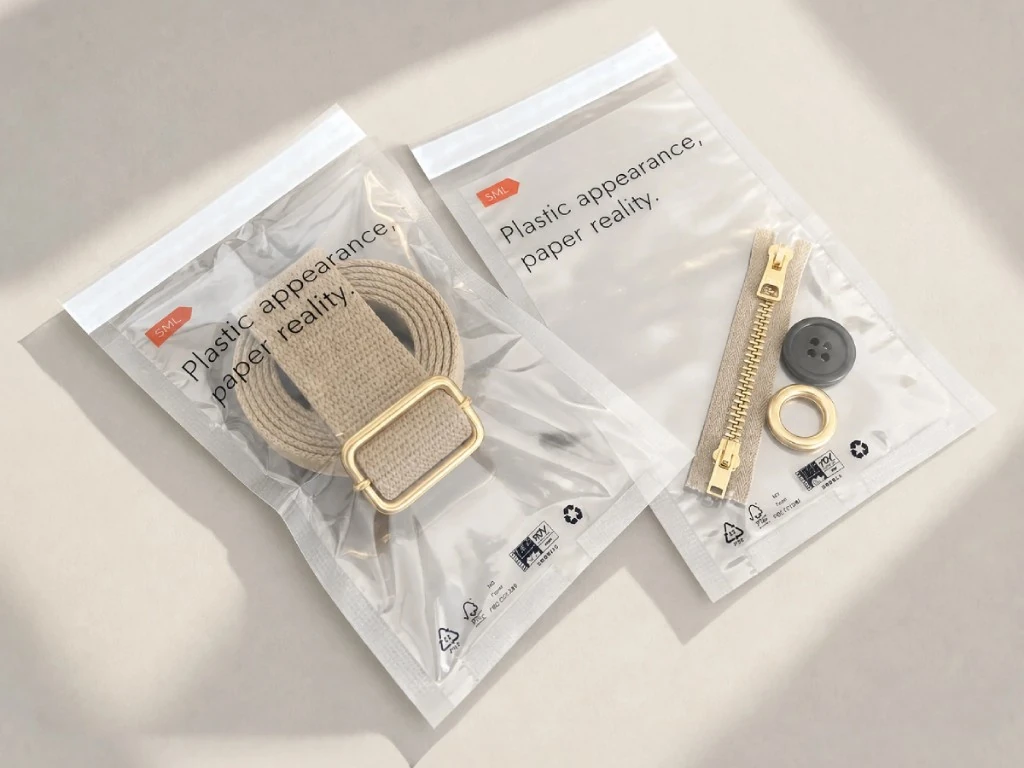
Clear bags still have a practical role
in the supply chain
Products need to be seen, counted, checked, stored, shipped, and presented without unnecessary handling. But brands are under pressure to reduce reliance on conventional plastic while keeping visibility and practical presentation.
The goal is not a blanket replacement. The goal is focused adoption: choose the right first application, validate the fit, confirm the claim position, and scale only where the evidence supports it.
-
Visibility matters
Product teams still need to see what is inside.
-
Plastic is under pressure
Conventional clear bags may no longer support the brand's sustainability direction.
-
Alternatives must be practical
A better material choice still needs to work in real packing and handling conditions.
Cellulose-based material derived from certified wood pulp
Transparent Cellulose Bag is a clear packaging bag made with cellulose-based material derived from certified wood pulp. It is designed for dry, lightweight applications where product visibility, sample presentation, and a more responsible material direction are important. It uses cellulose-based material derived from certified wood pulp and supports stronger responsible-sourcing and plastic-reduction goals.
- Transparent format for product visibility
- Cellulose-based material derived from certified wood pulp
- Designed for selected dry, lightweight applications
- Suitable for review as an alternative to conventional clear polybags
- Supported by SML application and claim review

Make visible progress on packaging material choices without losing clear presentation
Transparent Cellulose Bag helps teams make visible progress on packaging material choices without losing the clear presentation many products require.
-
Product visibility
Helps teams see the item inside the bag for checking, sorting, presentation, and handling.
-
More responsible material direction
Supports stronger responsible-sourcing and plastic-reduction goals in suitable applications.
-
Familiar packaging format
Keeps the clear bag format that factories, sourcing teams, and product teams already understand.
-
Supported evaluation
SML helps review fit, samples, claims, print needs, and pilot planning before wider adoption.
Best suited for selected dry, lightweight applications
Transparent Cellulose Bag is best suited for dry and lightweight uses where visibility and presentation matter.
-

Trims
For selected trim packaging where product visibility and presentation matter.
-
Accessories
For lightweight accessory packaging that benefits from a transparent format.
-
Sample packs
For sample and presentation use cases where clear contents remain important.
-
Presentation packaging
For applications where visual inspection and product presentation are part of the packaging requirement.
-
Selected apparel-related packaging
For suitable dry, lightweight apparel-related uses subject to application review.
-
Other dry, lightweight uses
For other dry, lightweight clear packaging uses where SML can review material fit and claim considerations.


Higher moisture, high-barrier, heavy-duty, or demanding transit uses require separate testing.
A practical path from interest to pilot
A better packaging decision should be based on evidence, not assumptions. SML helps your team review the product in the context of a real application.
-
Choose the right first use
Start with the right selected dry or lightweight use where visibility and material direction both matter.
-
Review samples with the actual product
Compare Transparent Cellulose Bag against your current packaging using the actual product.
-
Confirm technical fit for sealing, print, packing, storage, and logistics
Review claim language and documentation.
-
Run a controlled pilot
Evaluate handling, presentation, internal response, and practical performance.
Built for claim discipline and practical adoption
Transparent Cellulose Bag should be reviewed as part of a complete packaging decision, including finished bag construction, print, closure, certification scope, and local disposal guidance. SML supports discussion around material direction, product fit, print requirements, certification documents, and claim language.
- Cellulose-based material story Uses a cellulose-based material instead of a conventional plastic polybag format and supports stronger responsible-sourcing and plastic-reduction goals, subject to application and claim review.
- Transparent format Designed to support product visibility for selected dry, lightweight packaging applications.
- Flexographic print compatibility Can support approved logos, handling information, disposal guidance, and claim messaging, subject to specification review.
- Compostability credentials for review SML can help review claim language against the finished bag specification, print, closure, certification scope, and local disposal guidance.

Want the full solution guide?
Access the Transparent Cellulose Bag solution guide for a deeper overview of the product, suitable applications, evaluation pathway, and claim review considerations.
Download Solution Guide
Request a Sample Set
and Application Fit Review
Request samples, choose one real use case, validate fit, confirm claims, and run a controlled pilot.
Make visible progress on packaging material choices without losing the clear presentation many products require. Scale only where the evidence supports it.
Frequently asked questions
It is designed to deliver conventional polybag like visibility. SML recommends reviewing samples beside your current packaging so your team can assess clarity, feel, presentation, and fit.
No. It is best for selected dry and lightweight applications. Higher moisture, high-barrier, heavy-duty, or demanding transit uses require separate testing.
Yes. It can support flexographic printing for brand marks, handling details, disposal guidance, and approved claims.
The material has compostability credentials for review. Any finished-bag claim should be confirmed against the final specification, print, closure, certification scope, and target market composting guidance.
Request samples, choose one real use case, validate fit, confirm claims, and run a controlled pilot.
Ready to review a clearer packaging direction?
Share one real packaging application with SML and we will help assess whether Transparent Cellulose Bag is a suitable fit.