The 2025 Holiday Rush: The High Price of Not Knowing Where Your Inventory Is

Black Friday 2025 is behind us, and the initial sales numbers are in. However, for supply chain managers and retail operations leaders, the work is far from finished. We are now in the most critical phase of Q4: the December endurance test.
Distribution centers are running at full capacity, and store traffic remains high. At this stage in the season, the primary challenge shifts from generating demand to fulfilling it. Recent industry feedback indicates that retailers are currently facing two major operational hurdles: Replenishment Speed and Stock Count Accuracy.
Nearly half of the industry professionals we polled this season identified replenishment speed as their biggest pressure point, with stock count inaccuracies following closely behind. The operational reality is undeniable: you cannot replenish what you cannot find, and you cannot sell what isn’t on the floor.
The Cost of Visibility Gaps
For retailers currently in the thick of the holiday rush, it is impossible to overhaul infrastructure overnight. However, the friction you feel right now – the manual counts that take too long, or the “out of stock” notifications when merchandise is actually in the back room – is valuable data.
These operational bottlenecks highlight where standard processes hit their limit. While traditional labeling and barcodes remain the industry standard for point-of-sale and unit identification, the manual scanning required to track them can struggle to keep pace with the sheer volume of holiday demand.
This leads to “phantom inventory” – a situation where your system indicates you have three items in stock, but the shelf is empty. In 2025, with competition tighter than ever, these visibility gaps are the primary driver of lost revenue.
Strategic Planning for Future Peaks
As you navigate the remainder of this season, the focus should be on noting these inefficiencies to build a stronger roadmap for 2026. This is where considering an evolution in your labeling strategy becomes critical.
At SML, we provide a full spectrum of branding and labeling solutions, from standard tags to advanced identification technology. We see firsthand that while standard tags are essential, integrating retail RFID technology offers a specific advantage for inventory density.
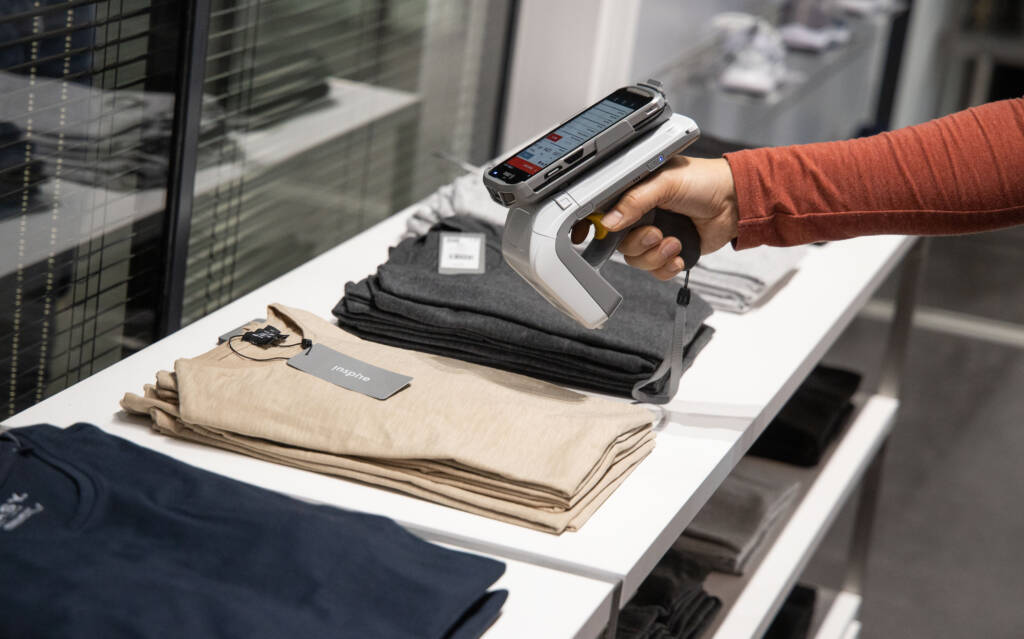
RFID technology enables non-line-of-sight reading. This allows a store associate to verify the inventory of an entire rack or shelf in seconds, rather than individually scanning every barcode. It doesn’t replace the need for high-quality labeling; it layers automation on top of it.
From Source to Shelf
To resolve issues with replenishment speed, retailers must view the supply chain holistically.
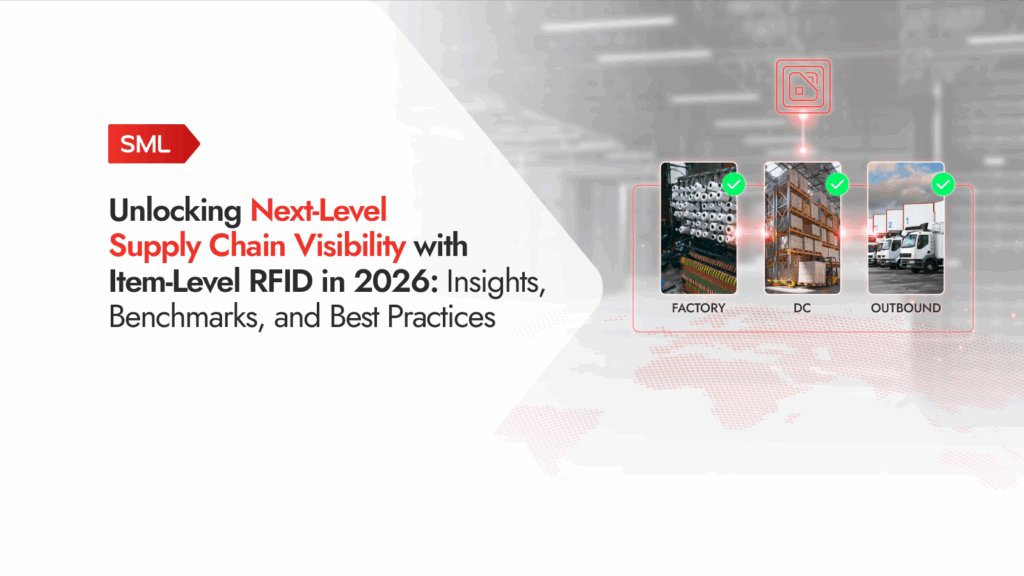
When goods are tagged accurately at the source using RFID – a core competency SML delivers globally – visibility is established before the product even reaches the distribution center. For retailers planning their future operations, this means that by the time the next holiday peak arrives, the system will possess accurate data on stock levels and location.
This accuracy ensures the signal to replenish from the back room is immediate. Staff members can pivot from searching for missing items to focusing on customer service and sales execution.
Looking Ahead
The stress felt by store associates and logistics managers during the holidays is real. SML views its role as a partner in alleviating that operational friction, whether through premium standard labeling or advanced RFID integration.
As we approach the final weeks of the year, use this time to evaluate where your inventory visibility fell short. The retailers who dominate the 2026 season will be those who use today’s challenges to justify an investment in tighter control and greater accuracy for the future.
Let’s close the year strong and plan for a smarter, more efficient supply chain in the year ahead.
Ready to turn this year’s bottlenecks into next year’s competitive advantage? Contact us today for a free consultation on optimizing your strategy.